 Likely
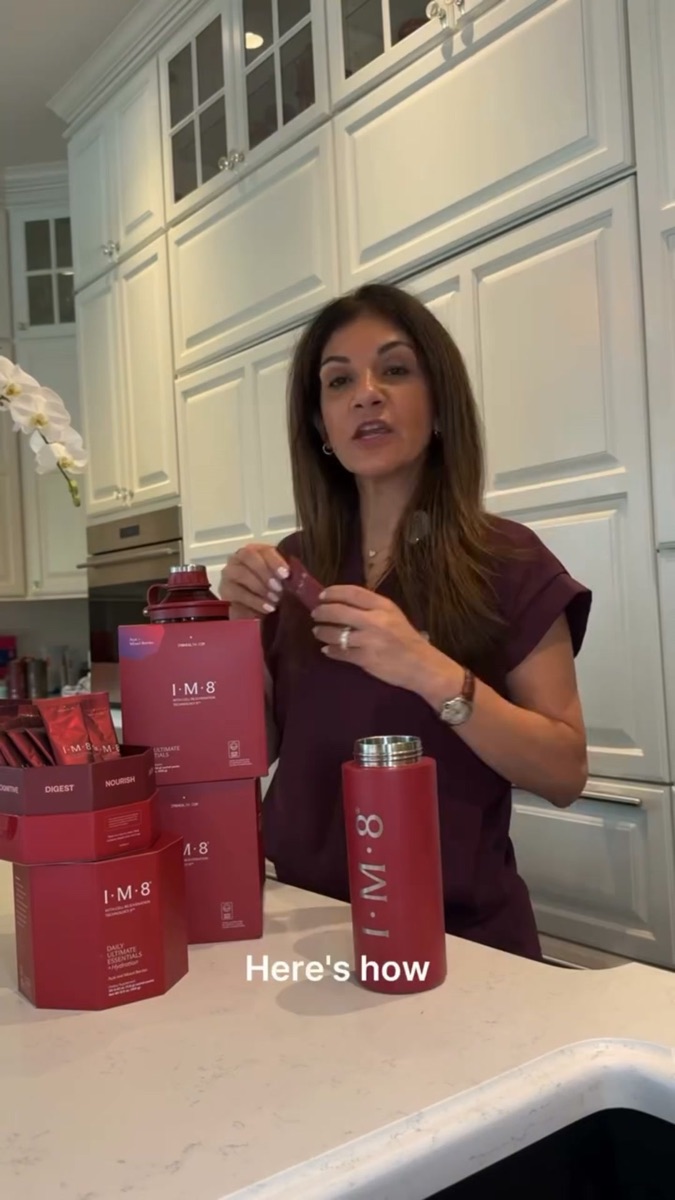
Female UGC presenter
TestimonialEducationTOFProblem aware
In about 20 minutes, Likely compares the ads in your market, explains the biggest differences and turns the best opportunities into briefs your team can actually make.

Opportunity: tracked brands use 2.8× more contrarian hooks.
You have one budget and dozens of plausible ideas. Should the next ad look like a customer video or a polished product demo? Lead with the problem or the outcome? Likely shows which choice adds something your brand is currently missing.
Your budget forces you to pick a handful. Most teams pick from experience, instinct and whatever they scrolled past last week. Likely adds the market to that decision.
Here are real public Meta ads from a live supplement-market audit. First Likely identifies how the ad is made. Then it identifies the strategy behind it. That is how a folder of competitor ads becomes a useful market report.
Likely recognises the production choices: creator or brand-made, female or male presenter, static or video. Now you can see which formats competitors repeatedly invest in—and which ones your brand barely uses.
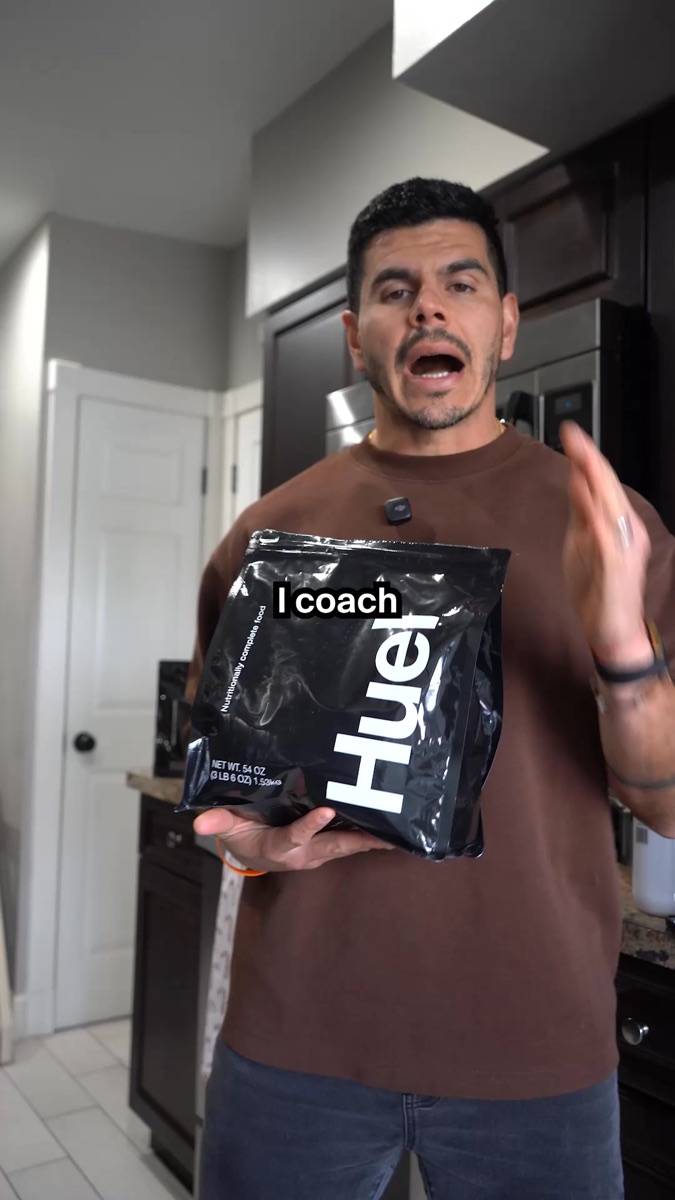
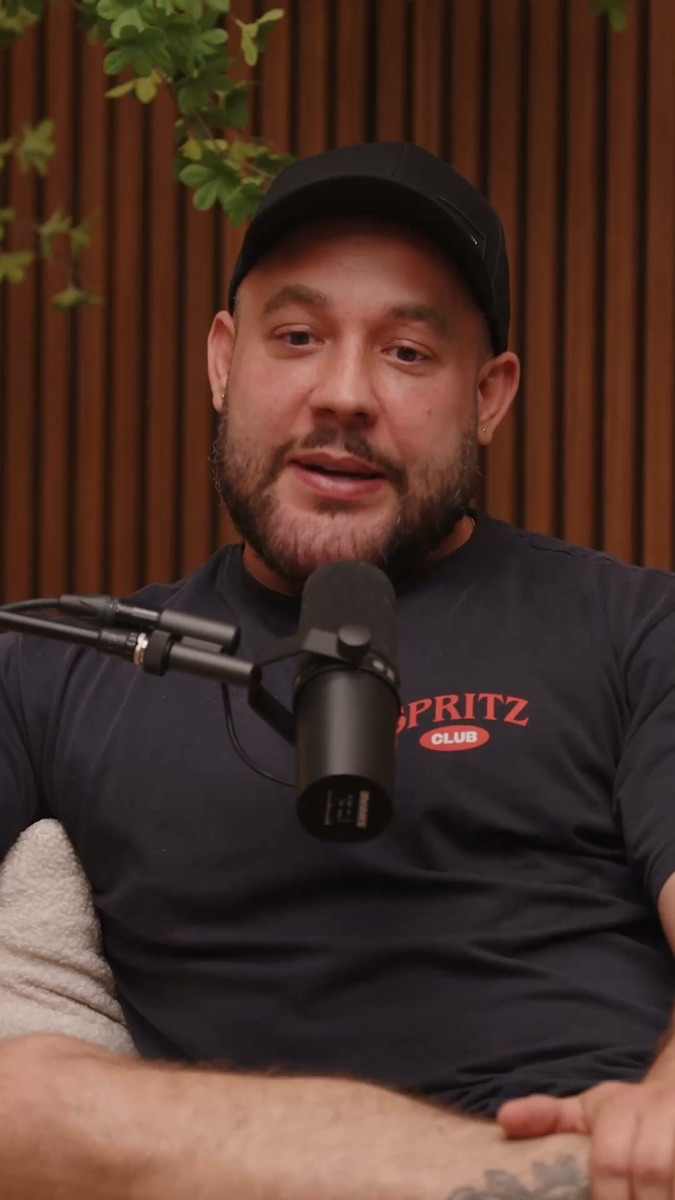
One ad is an example. Every ad on one plot becomes market intelligence. Switch between hook, awareness, funnel stage and format to see what competitors keep running—and where your base brand is missing.
Opportunity: tracked brands run contrarian hooks; your base brand barely does.
Competitors use UGC in 26% of their ads; AG1 uses it in 17%. Jocko drives the difference, using creator-shot presentation in 43 of its 100 ads.
AG1 leads with offers: 31% versus 12% for the category. The category puts far more weight on problem framing: 35% versus AG1's 11%.
Contrarian hooks are almost absent from AG1. One of its 100 ads uses one, compared with 38 across the three competitors.
Observed 16 August 2026. Shares use each side's own coded ad total. Every finding remains linked to the ads behind it inside Likely.
Pick the brand you want to audit as your base. Likely compares it with the tracked brands you choose, then explains the biggest differences in everyday language.
1.5× more UGC across tracked brands
3.2× more problem framing across tracked brands
2.6× more offer-led ads from the base brand
13× more contrarian hooks across tracked brands
Observed 16 August 2026. Every number opens the public ads behind it inside Likely.
The signal nobody else uses
Likely cannot see your competitors' ROAS, and neither can anyone outside their ad account. But it can see what they launch, what disappears, and what they keep paying to run — which turns a snapshot of their ads into a timeline of their decisions.
One dot is one ad. High up means it has run a long time. Nobody keeps paying for a loser for four months, so an ad that survives is the closest thing to a performance signal public data gives you.
Sample data, five brands that do not exist. In the app each dot opens the ad.
Why not just use the Ad Library
The Meta Ad Library is free, public and genuinely useful. It is also a feed. Scrolling it tells you what exists; it cannot tell you what share of anything you are looking at.
Same public ads. Completely different intelligence.
Get a clear view of what your competitors are doing in a fraction of the time. Spend less time collecting screenshots and arguing over opinions — and more time choosing the right ideas and getting them made.
Sample brief from the demo workspace.
Nothing to connect
Likely reads public competitor ads. It never touches your account, your customers or your numbers — so the usual first meeting about access does not happen.

How it works
The ones you actually lose to. Two is enough to start. Likely finds every live ad they have from a name or a domain.
Likely organises every ad by what it says, what it looks like and who it is for. Press go and come back when it is ready.
See where your brand differs, inspect the real ads behind every finding and turn a useful idea into a brief.

Name a competitor and Likely does the collecting, sorting and comparing for you. No ad account connection. Build the insights first, then reveal them for €0.99. Help another brand find its gap and, when they reveal it, you both unlock 10 more ads.
Build my first insights